How to pack fragile items like a pro mover
The wrapping order, box sizes and labeling system professional crews use to get glassware across the country intact — and what you are actually covered for if it does not.
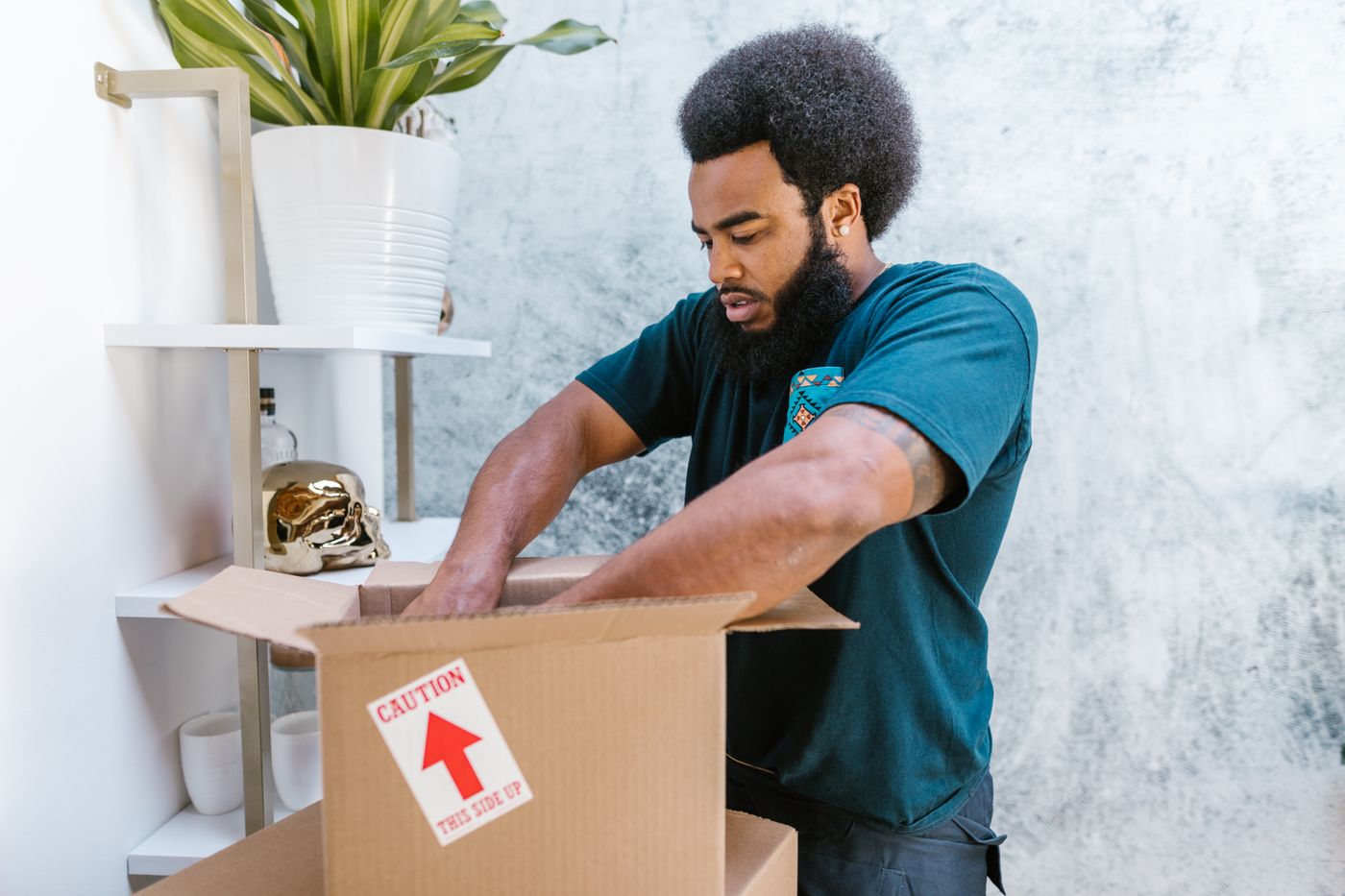
Almost nothing breaks because the truck hit a pothole. Things break because a box had empty space in it, or because it was packed heavy on top of light, or because a plate was laid flat instead of stood on its edge. Professional packers are not gentler than you are — they are just following a sequence. Here is the sequence.
What you actually need
Skip the novelty supplies. Five materials cover every fragile item in a normal house.
| Material | What it is for |
|---|---|
| Unprinted newsprint (packing paper) | Wrapping every individual item; newspaper ink transfers onto china |
| Small and dish-pack boxes | Dense, heavy items. Dish packs use double-wall cardboard |
| Bubble wrap | Electronics, art glass, anything with a protruding part |
| Cell dividers | Stemware and drinking glasses, one glass per cell |
| Wide packing tape | Sealing seams — never masking tape or duct tape |
The wrapping order
- Tape the bottom twice. One strip along the seam, one across it. Fragile boxes fail at the base more often than the sides.
- Build a cushion. Two to three inches of crumpled paper on the bottom, so nothing rests on flat cardboard.
- Wrap each piece on its own. Lay the item on the corner of a sheet, roll it diagonally, tuck the ends in. Two pieces in one bundle will chip against each other.
- Heaviest at the bottom, lightest on top. Plates and bowls first, cups and glasses above them, never the reverse.
- Fill until it is silent. Top off with paper, close the flaps and shake gently. If you hear movement, open it and add more.
The pieces people get wrong
Plates. Wrapped and stacked on their edges, like records in a crate. Flat stacks concentrate the whole column’s weight on the bottom plate.
Stemware. Paper stuffed inside the bowl first, then the stem wrapped separately, then the whole glass wrapped again and stood upright in a divider cell.
Mirrors and framed art. Tape a large X across the glass, wrap in paper, add corner protectors and use a flat mirror carton. They travel standing on edge, never lying flat where something can be set on top.
Lamps. Base and shade always separate. Shades nest inside one another with paper between them, and nothing else goes in that box.
TVs and monitors. Original carton if you kept it; a flat-screen box if not. Screen faces the padded side, and the set travels upright — a panel laid flat can flex enough to fail.
Electronics with cables. Photograph the back of the unit before unplugging anything, bag the cables and tape the bag to the device.
Labeling that survives the truck
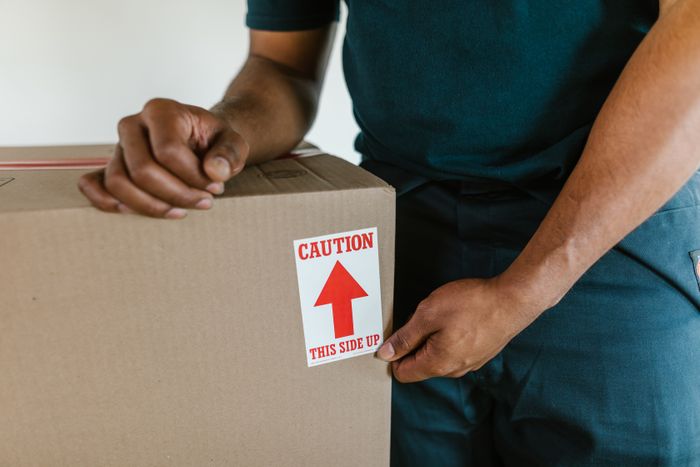
Write on two adjacent sides, not the top — the top is invisible once a box is stacked. Each fragile box wants three things on it: the destination room, the word FRAGILE, and an arrow marking which way is up. Add a number and keep a matching list on your phone, because the numbered inventory is what makes a missing box provable later.
Load the numbered list into the same folder as your estimate. Our 8-week moving checklist has the full paperwork sequence, including what to check before signing the bill of lading.
What your mover will not pack
No carrier will load anything flammable, corrosive or explosive: propane cylinders, gasoline, paint and solvents, aerosols, pool chemicals, fertilizer, ammunition, nail polish remover. Many will also refuse open food and perishables.
Do not solve this by pouring things down the drain. The EPA’s guidance on household hazardous waste explains how to find a local collection event or permanent drop-off, and warns against putting these products in regular trash or storm sewers.
Who pays if it breaks anyway
This is the part most people discover too late. Interstate movers must offer two liability options, and they are not equivalent. Under FMCSA’s valuation rules, Released Value Protection is free but caps the mover’s liability at 60 cents per pound per article — a 25-pound television is worth $15 under it. Full Value Protection costs extra and makes the mover responsible for repairing, replacing or cash-settling at current market value.
All of that assumes you are dealing with a properly registered carrier, which is worth establishing before anything is wrapped. The registration record shows which operating authority a company actually holds and whether it is currently active — a minute spent to confirm the carrier’s DOT registration tells you whether these federal liability rules apply to your shipment at all.
There is a second trap worth knowing: movers may limit liability on articles worth more than $100 per pound — jewelry, china, furs, collectibles — unless you list those items specifically on the shipping documents before the truck is loaded. Declaring them takes two minutes and is the single highest-value thing you can do on packing day.
One more caveat particular to self-packing: if you pack a carton yourself and it arrives damaged with no visible external damage to the box, carriers routinely deny the claim. If a piece is genuinely irreplaceable, let the crew pack it so the liability is unambiguously theirs.
If something does go wrong, you have nine months from delivery to file a written claim, per FMCSA’s guidance on problems after a move. Photograph the damage and the carton before you throw anything away.
Official resources
- FMCSA valuation and insurance options — released value vs. full value protection.
- Your Rights and Responsibilities When You Move — the booklet your mover must give you.
- EPA household hazardous waste — safe disposal of non-shippable products.
- National Consumer Complaint Database — if a claim goes unanswered.
Next: what the whole job should cost in our 2026 moving cost breakdown, browse all our moving guides, or find a crew in your state directory.

Former operations manager at a national van line, Amanda has coordinated more than 1,200 household moves. She writes about pricing, packing and moving-day logistics, and personally test-books the companies she covers.